
What to Expect During Chemotherapy: A First-Time Patient’s Guide
What to Expect During Chemotherapy: A First-Time Patient’s Guide
Receiving a cancer diagnosis can be one of the most overwhelming moments in life. As you begin to process everything, one word tends to stand out — chemotherapy. Whether you’re the patient or a loved one supporting someone through treatment, understanding what to expect during chemo can ease anxiety and help you prepare both mentally and physically.
In this guide, we’ll walk you through the basics of chemotherapy, what happens during treatment, potential side effects, and how to care for yourself throughout the process.
📘 What Is Chemotherapy?
Chemotherapy — often shortened to “chemo” — is a type of cancer treatment that uses powerful drugs to kill fast-growing cancer cells in the body. It can be administered on its own or in combination with surgery, radiation, or other treatments. Chemotherapy can be given through an IV, a port, injections, or even in pill form, depending on the type of cancer and the treatment plan.
🏥 Before Your First Session
1. Meeting Your Oncology Team
Before treatment begins, you’ll meet with your oncologist and possibly a nurse navigator. They’ll explain your chemo schedule, what drugs you’ll receive, and potential side effects. Don’t hesitate to ask questions — your care team is there to help you understand and feel empowered.
2. Pre-Chemo Tests
You may undergo blood work, scans, or heart and kidney function tests. These help your doctor determine your baseline health and adjust the chemotherapy accordingly.
3. Preparing Practically
-
Arrange transportation – Some people feel tired or unwell after treatment.
-
Pack a chemo bag – Include snacks, water, a blanket, books, or a tablet.
-
Eat lightly before treatment – A small, bland meal can help reduce nausea.
💉 During Chemotherapy
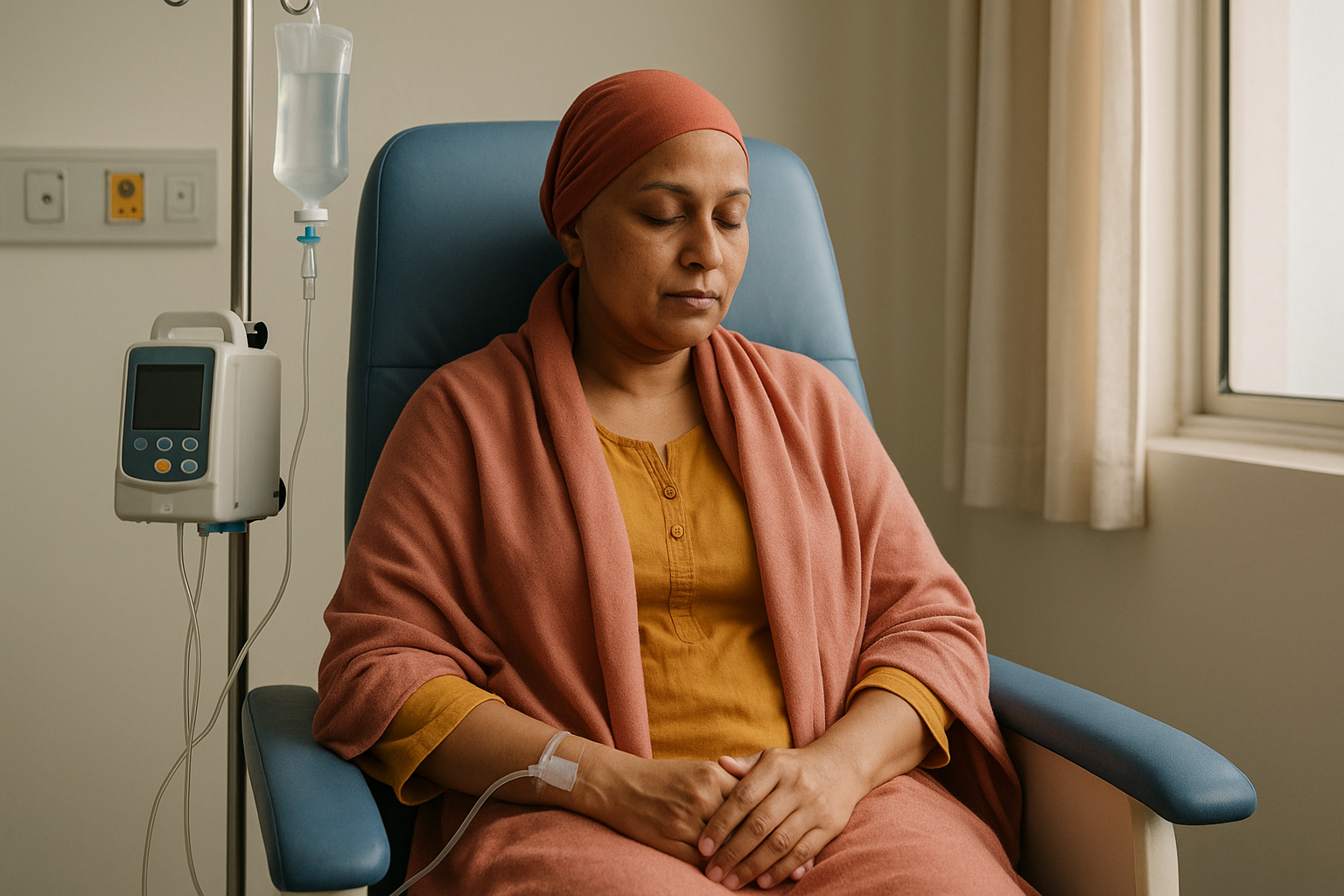
A chemo session can last from 30 minutes to several hours, depending on the drugs and how they’re administered. Here’s what typically happens:
-
Check-in and vitals – Your nurse will check your weight, temperature, and blood pressure.
-
Infusion – If receiving IV chemo, it may go through a vein or a port. Some people read, nap, or chat during this time.
-
Monitoring – Nurses monitor you for any reactions during treatment.
The environment is usually calm and quiet, with comfortable chairs and supportive staff. You’ll be closely monitored throughout.
🤕 Common Side Effects (And How to Manage Them)
Side effects vary widely depending on the drugs used and your body’s response. Here are the most common ones:
-
Fatigue – Rest when you need to and don’t push yourself.
-
Nausea and vomiting – Anti-nausea meds are usually provided; bland foods can help.
-
Hair loss – Not all chemo causes this, but if it does, consider scarves, hats, or wigs.
-
Appetite changes – Eat small, frequent meals and stay hydrated.
-
Mouth sores – Use a soft toothbrush and avoid spicy or acidic foods.
-
Low immunity – Wash hands often, avoid crowds, and report any fever.
Your doctor will give you a detailed list of what to expect and when to call them.
🧠 Emotional and Mental Health
Chemo affects more than just the body. It’s normal to feel overwhelmed, anxious, or even depressed during this time. Consider:
-
Joining a support group
-
Talking with a therapist or counselor
-
Practicing relaxation techniques like deep breathing or meditation
Know that you’re not alone, and your emotional well-being is just as important as your physical health.
🧴 Self-Care Tips
-
Stay hydrated – Water helps flush toxins and reduces fatigue.
-
Move when you can – Light activity like walking can improve energy levels.
-
Get plenty of rest – Listen to your body and rest as needed.
-
Be kind to yourself – Celebrate small wins and allow yourself grace.
🧡 Supporting a Loved One Through Chemotherapy
If you’re a caregiver or friend, here’s how you can help:
-
Offer practical support (rides, meals, chores).
-
Just listen — sometimes presence is more powerful than advice.
-
Encourage, but don’t pressure.
-
Respect their boundaries and energy levels.
Final Thoughts
Chemotherapy can be a daunting journey, but knowing what to expect can make it more manageable. Everyone’s experience is different, but with the right preparation, support, and care, many people not only get through chemo — they come out stronger on the other side.
Remember: You’re not walking this road alone. Lean on your medical team, your loved ones, and your own inner strength. You are capable, brave, and resilient.

All Categories
Recent Posts

What Happens in Your Body When You Have Diabetes?
High Blood Pressure (Hypertension): The Silent Killer
What to Expect During Chemotherapy: A First-Time Patient’s Guide
+0123 (456) 7899
contact@example.com